Why Humane Wildlife Removal Is Important for Property and Animal Safety
To ensure property safety and protect animals, local service providers can humanely remove wildlife causing damage or safety concerns.
Understanding why humane wildlife removal is important for property and animal safety is essential for property owners facing unwanted animal intrusions. When wildlife such as raccoons, squirrels, or bats find their way into buildings or onto properties, they can cause damage and create health risks. Addressing these issues promptly with the help of local contractors who specialize in humane removal methods ensures animals are relocated safely and ethically, reducing the risk of property damage and preventing potential conflicts or health hazards.
Property owners in the area may explore humane wildlife removal to protect their investments and maintain a safe living or working environment. Local service providers can assess the situation, identify entry points, and implement effective removal strategies that prioritize animal well-being while safeguarding the property. Keep reading to learn more about how humane wildlife removal services contribute to property integrity and animal safety, and how connecting with experienced local contractors can make a difference.
- Bird exclusion services help homeowners prevent nesting and entry points that can cause property damage and health concerns, with local contractors safely sealing off access points. Squirrel removal is needed when these animals are found nesting in attics or walls, and local service providers use humane methods to remove and prevent future infestations. Bat exclusion services are essential for removing colonies from buildings, ensuring both animal safety and property protection through humane eviction techniques. Raccoon removal becomes necessary when these animals invade crawl spaces or chimneys, with local pros employing humane trapping and relocation strategies. Rodent exclusion services are vital for preventing infestations that threaten property integrity and health, with local contractors implementing humane exclusion methods to keep animals out permanently.
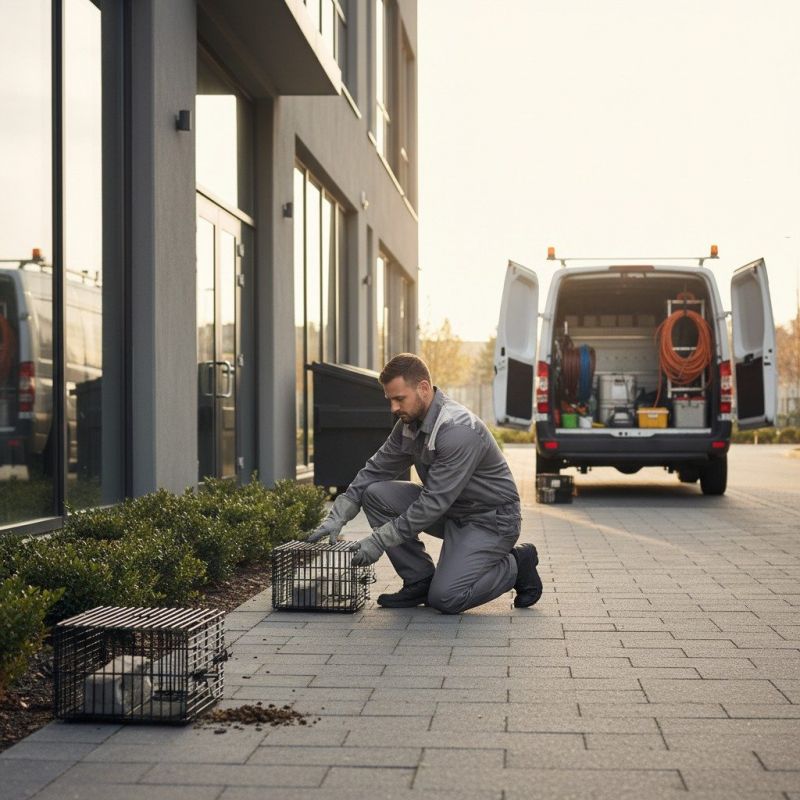
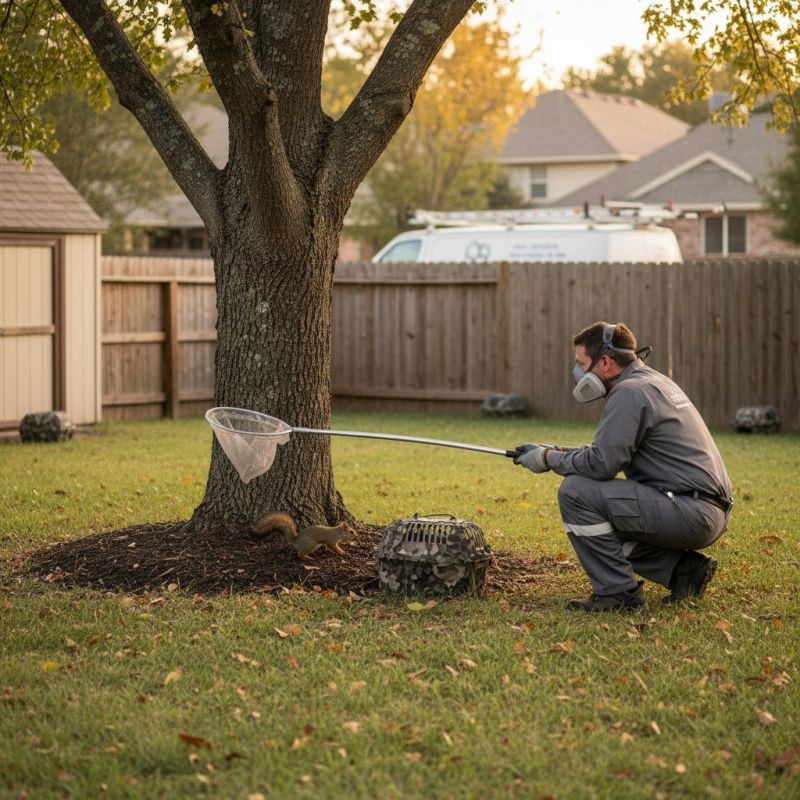
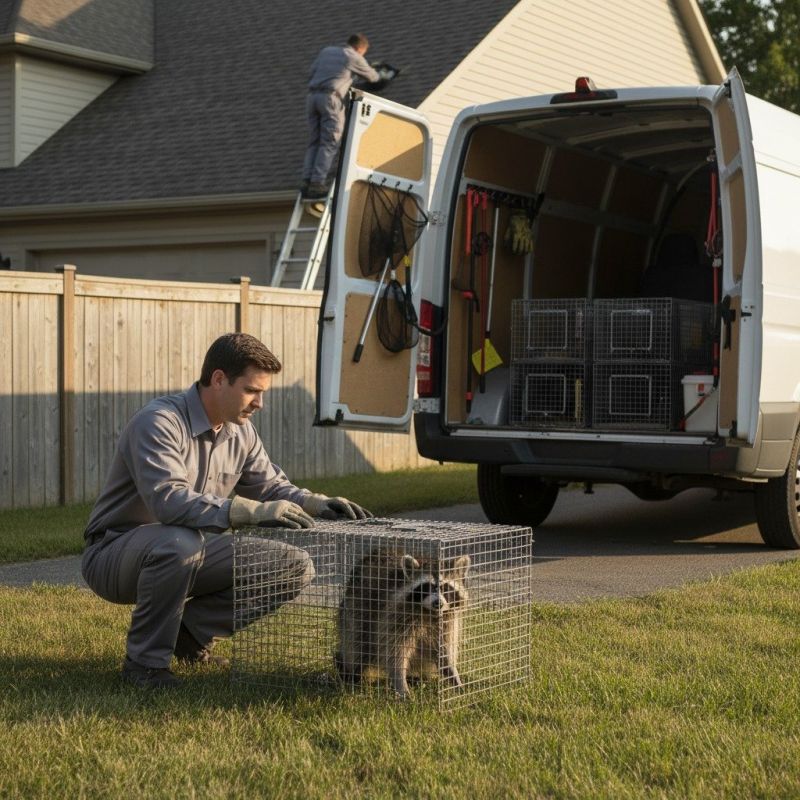
When people search for why humane wildlife removal is important for property and animal safety, they are often concerned about the presence of nuisance animals invading or nesting on their property. These animals can include raccoons, squirrels, bats, birds, and other creatures that seek shelter in attics, crawl spaces, or around the exterior of a home or commercial building. Such searches typically relate to problems like property damage, animal droppings, noise disturbances, or health risks caused by these animals. Property owners want effective solutions that remove animals humanely while preventing future invasions, making the role of local service providers vital in managing these issues responsibly.
This topic also ties into planning for ongoing property protection and ensuring the safety of both residents and animals. Many property owners recognize that simply removing animals is not enough; they need to understand how to prevent re-entry and address the root causes of wildlife conflicts. Humane wildlife removal services often include sealing entry points, installing deterrents, and advising on habitat modifications that discourage animals from returning. These plans help safeguard the property from damage and reduce the risk of animals becoming trapped or injured inside structures, which can lead to more costly repairs or health hazards down the line.
The types of properties that frequently come up in this context are residential homes, especially those with attics, basements, or garages, as well as commercial buildings, farms, and barns. Older structures with gaps in roofing, siding, or foundation are particularly vulnerable to animal entry. In urban and suburban areas, properties with nearby trees, shrubs, or water sources tend to attract wildlife, increasing the likelihood of conflicts. Property owners often seek out local contractors who specialize in humane wildlife removal to handle these situations effectively and ethically, ensuring that animals are relocated safely without unnecessary harm.
Understanding why humane wildlife removal is important for property and animal safety helps homeowners see the connection between wildlife management and property preservation. Local service providers are equipped to assess the specific needs of each property, develop tailored removal and exclusion plans, and implement humane solutions that protect both the property and the animals. This approach not only resolves immediate problems but also promotes long-term safety and peace of mind, making it a practical choice for property owners facing wildlife-related challenges.
Bird control projects - These involve installing deterrents and exclusion devices to prevent birds from nesting on properties, similar to humane wildlife removal efforts that focus on preventing animal entry and ensuring safety.
Bat exclusion services - Local contractors specialized in bat exclusion use similar techniques to humane wildlife removal, ensuring bats are safely removed and property is protected from future infestations.
Squirrel proofing projects - These projects require identifying entry points and installing barriers, aligning with the planning and tools used in humane wildlife removal to safeguard buildings from unwanted animal access.
Rodent proofing services - Addressing rodent entry points and implementing exclusion measures mirror the skills used in humane wildlife removal to prevent property damage and animal safety concerns.
Nest removal and prevention - Removing bird or animal nests and installing deterrents to prevent future nesting are related to humane wildlife removal strategies focused on humane and safe exclusion.
Damage repair projects - Repairing structural damage caused by wildlife involves similar planning and tools to humane wildlife removal, emphasizing property safety and preventing future animal incursions.
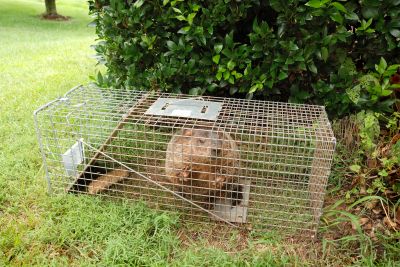
When comparing service providers for humane wildlife removal, it’s important to consider their experience with similar projects. Homeowners should inquire about how long a local contractor has been handling wildlife removal in the area and whether they have a proven track record of successfully resolving issues involving animals such as raccoons, squirrels, or bats. An experienced professional is more likely to understand the nuances of humane removal techniques and the best practices for ensuring animals are relocated safely and ethically, reducing the risk of repeat problems and property damage.
Clear, written expectations are essential when evaluating potential service providers. Homeowners should seek detailed information about what the humane wildlife removal process entails, including how animals will be safely removed and what follow-up steps are included. Having this information in writing helps ensure there are no misunderstandings about the scope of work and that the contractor’s approach aligns with the homeowner’s priorities for animal safety and property protection. Transparent communication about procedures and responsibilities can also serve as a useful reference throughout the project.
Reputable references and good communication are key factors in selecting a reliable local contractor. Homeowners are encouraged to ask for references or reviews from previous clients who had similar wildlife issues. This feedback can provide insight into the contractor’s professionalism, responsiveness, and ability to handle sensitive situations effectively. Additionally, a service provider who communicates clearly and promptly can make the entire process smoother, providing updates and answering questions along the way. Choosing a local pro with strong references and open communication helps ensure the humane wildlife removal process is conducted responsibly and efficiently.
Property owners often search for why humane wildlife removal is important for property and animal safety when they are planning practical projects around their homes and businesses. Local pros provide Humane Wildlife Removal services for everyday jobs and straightforward project options.
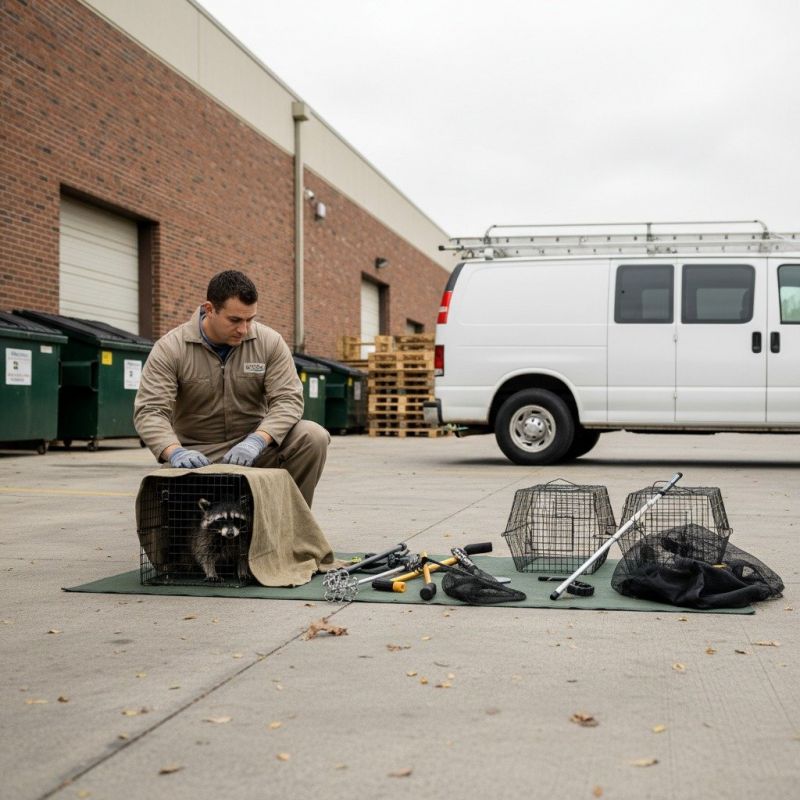
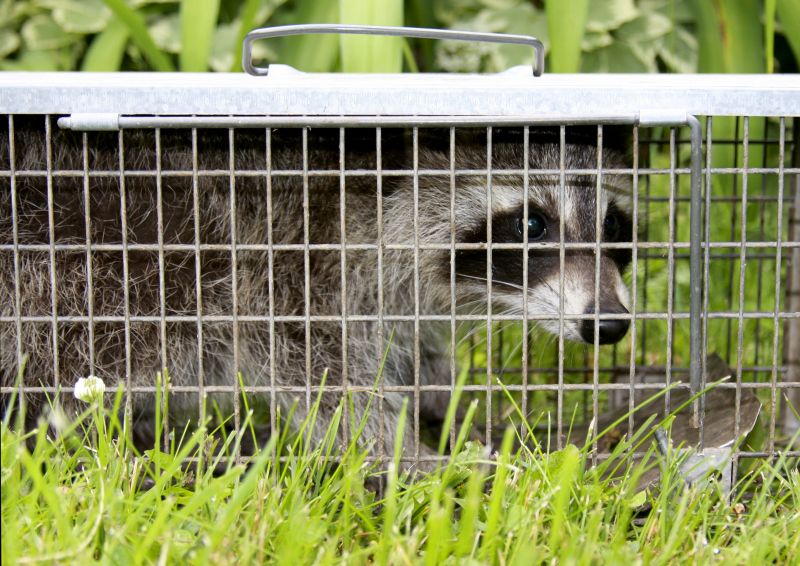
Humane wildlife removal plays a key role in maintaining property safety by addressing common issues caused by animals seeking shelter or food around homes and businesses. When animals such as raccoons, squirrels, or bats take up residence in attics, crawl spaces, or walls, they can cause structural damage, create unsanitary conditions, or introduce pests like fleas and ticks. Property owners often look into humane removal options to ensure these animals are relocated safely and ethically, preventing further damage and reducing health risks associated with animal infestations.
Choosing professional humane wildlife removal services helps ensure that animals are handled responsibly, minimizing stress and injury to the wildlife, while also protecting the property from future invasions. Local contractors specialized in humane removal methods can identify entry points, safely remove the animals, and implement exclusion measures to prevent re-entry. This approach not only addresses immediate concerns but also promotes a safe environment for both the property and the animals involved, making it a practical solution for property owners dealing with unwanted wildlife encounters.
Why is humane wildlife removal important for property safety? Humane wildlife removal helps prevent damage caused by animals such as chewed wires, nesting materials, and structural wear, protecting the integrity of the property. Local service providers use safe methods to remove animals without causing harm, reducing the risk of property damage.
How does humane wildlife removal contribute to animal safety? Humane removal ensures animals are not harmed during the process, minimizing stress and injury. Local contractors prioritize safe practices that allow animals to be relocated responsibly, supporting their well-being.
What are the risks of not removing wildlife humanely? Failing to remove wildlife humanely can lead to injuries for both animals and people, as well as increased chances of animals returning or causing further damage. Professional service providers help mitigate these risks with proper removal techniques.
How can humane wildlife removal help prevent property damage? By safely removing animals that may cause nesting, gnawing, or structural damage, local contractors help preserve the property’s condition and prevent costly repairs associated with wildlife intrusion.
Why should property owners choose local pros for humane wildlife removal? Local service providers have experience handling wildlife safely and effectively, ensuring removal is done in a way that protects both property and animals while complying with best practices.
Identify entry points - property owners can work with local contractors to find and seal gaps or holes that wildlife might use to access the building.
Implement humane exclusion methods - applying humane wildlife removal techniques ensures animals are safely removed without causing harm or damage to property.
Prevent future infestations - local pros can help install barriers or deterrents that discourage wildlife from returning to the property.
Protect property and animals - timely removal and exclusion services help prevent property damage and ensure the safety of local wildlife.
If you are thinking about why humane wildlife removal is important for property and animal safety for a property, this guide is meant to help you understand this topic, the typical project types, and how different options might fit your plans.
When you are ready, you can use the quote form on this page to share a few details about your project. From there, local pros can review the basics and follow up with options that match what you have in mind.